Choosing between a hot water tank and a tankless water heater is one of the most common decisions Edmonton homeowners face when it is time for a replacement. Both systems will keep you in hot water, but they work differently, cost differently, and hold up differently in Alberta's climate and water conditions.
This guide gives you a straightforward comparison so you can make the right call for your household, including what each system actually costs in Edmonton, how Alberta's hard water affects your choice, and the warning signs that your current unit is already on its way out.
How Each System Works
Traditional Hot Water Tank
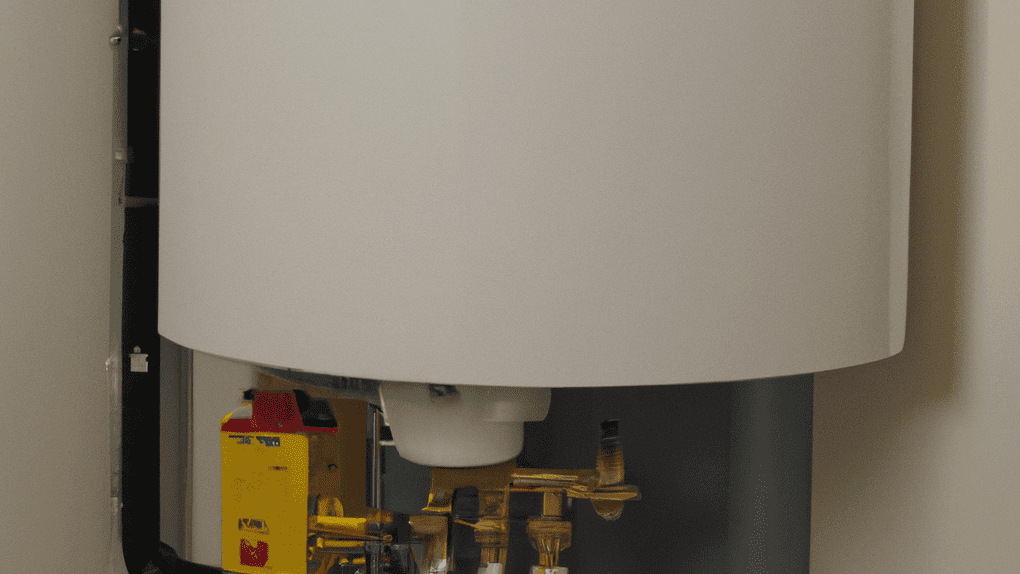
A tank water heater stores a set volume of water, typically 40 to 80 gallons, and keeps it heated continuously at a set temperature. When you turn on a hot tap, that pre-heated water is drawn from the tank and replaced with cold water, which the unit then reheats. It is a simple, time-tested system. The trade-off is that energy is consumed around the clock to maintain the water temperature, regardless of whether anyone in the house is using hot water.
Tankless (On-Demand) Water Heater
A tankless water heater unit has no storage. Cold water passes through a heat exchanger when a hot tap is turned on, and the water is heated instantly as it flows through the unit. The moment you shut the tap off, the heating element stops. This on-demand approach eliminates standby heat loss entirely. Tankless units can be powered by natural gas or electricity, and they come in whole-home and point-of-use sizes.
Side-by-Side Comparison
Hot Water Tank | Tankless Water Heater | |
Upfront cost | Lower ($1,250+ installed) | Higher ($2,500-$5,000+ installed) |
Energy efficiency | Standard | Up to 30% more efficient |
Hot water supply | Limited by tank size | Unlimited, on demand |
Lifespan | 10 to 12 years | 18 to 20 years |
Space required | Large footprint | Wall-mounted, compact |
Flood risk | Higher (40-80 gal stored) | Minimal |
Maintenance | Annual anode rod check | Annual flush and descale |
Alberta rebates | Some models qualify | Up to $1,000 available |
Best suited for | Smaller households, tight budget | Larger families, long-term savings |
All cost estimates reflect Edmonton market conditions. Tankless installation may require upgrades to gas lines or electrical panels not included in base pricing. Always Plumbing & Heating provides upfront quotes before any work begins.
Cost Breakdown: Edmonton Pricing
Hot Water Tank
A standard gas hot water tank replacement in Edmonton runs approximately $1,400 to $2,500 installed, depending on tank size and whether any venting modifications are needed. Electric tanks are typically on the lower end of that range. A 10-year lifespan is the general benchmark, though Edmonton's hard water can accelerate wear without proper maintenance.
Tankless Water Heater
Tankless units carry a higher upfront cost: expect $2,500 to $5,000 or more installed for a whole-home natural gas unit, depending on the brand, flow rate, and whether your home requires a gas line upgrade or electrical panel work. The cost gap narrows significantly over time through lower monthly energy bills and a longer service life of 18 to 20 years.
Alberta Rebates and Incentives
Alberta homeowners upgrading to a high-efficiency tankless water heater may qualify for rebates through the Canada Greener Homes Grant or Efficiency Alberta programs. Rebates of up to $1,000 are available for qualifying units. Always Plumbing & Heating can confirm current rebate eligibility at the time of your consultation, as programs and amounts change year to year.
Edmonton Hard Water Note Edmonton's municipal water supply has moderate to high mineral content. Both tank and tankless systems are affected, but in different ways. Mineral sediment settles at the bottom of tank water heaters, reducing efficiency and shortening lifespan. In tankless units, scale accumulates inside the heat exchanger, causing reduced flow and efficiency over time. Annual flushing and descaling is a mandatory part of tankless maintenance in this region, and skipping it can void your manufacturer's warranty. |
Pros and Cons for Alberta Homeowners
Hot Water Tank: Pros
Lower upfront cost and simpler installation in most homes
Familiar technology with widely available parts and service
Performs reliably in extreme cold without special considerations
Lower maintenance demands: an annual anode rod inspection is the main task
Rental options available through Always Plumbing & Heating with no upfront costs
Hot Water Tank: Cons
Standby heat loss means you are paying to keep water hot even when no one is using it
Limited hot water supply: once the tank runs out, you wait for it to reheat
Flood risk: a failing tank can release 40 to 80 gallons into your utility room or basement
Shorter lifespan means a replacement cycle every 10 to 12 years
Takes up significant floor space in the utility room
Tankless Water Heater: Pros
Hot water on demand with no running-out risk, ideal for larger families
Energy savings of 10% to 30% on hot water heating costs
Compact, wall-mounted design frees up floor space
Lifespan of 18 to 20 years with proper maintenance
Minimal flood risk: no large tank to fail catastrophically
Precise temperature control and consistent output
Eligible for Alberta and federal rebate programs
Tankless Water Heater: Cons
Higher upfront cost and installation complexity
May require a gas line upgrade or electrical panel upgrade depending on your home
Annual professional maintenance (flushing and descaling) is required, not optional
Cold water delay at the tap until the heat exchanger activates
During peak simultaneous use (multiple showers, dishwasher, laundry), some units may struggle without proper sizing
Which Is Right for Your Edmonton Home?
There is no single right answer. The better choice depends on your household size, budget, and how long you plan to stay in the home.
A hot water tank is likely the better fit if:
Your budget for replacement is under $2,000
Your household uses hot water heavily all at once and an undersized tankless unit would struggle to keep up
You prefer a lower-maintenance system with a predictable replacement cycle
You are renting or plan to sell the home within a few years
A tankless water heater is likely the better fit if:
You have a larger household and routinely run out of hot water with a tank
You plan to stay in the home long enough to recover the higher upfront cost
You are committed to annual maintenance and want to reduce monthly energy costs
Space in your utility room is limited
You want to qualify for available Alberta rebate programs
You are concerned about flood risk from a tank failure
Not Sure Which Size You Need? Tankless unit sizing is based on flow rate (gallons per minute) and the number of simultaneous hot water demands in your home. A typical 3-bedroom Edmonton home requires a unit with a flow rate of 4 to 8 GPM. Always Plumbing & Heating sizes every system to your specific household before recommending a unit. Call 780-489-8118 to book a free in-home consultation. |
Warning Signs Your Current Water Heater Needs Replacement
Whether you have a tank or tankless unit, the following signs indicate your system is failing and a replacement conversation is worth having sooner rather than later.
Your Water Is Not Hot Enough
The most common sign of a failing water heater is water that never reaches the right temperature or loses heat faster than it used to. In a tank unit, this usually points to a failing heating element or sediment buildup reducing efficiency. In a tankless unit, it can indicate scale buildup inside the heat exchanger or a failing ignition component.
Rusty or Discoloured Water
Rust-colored water from hot taps is a sign of corrosion inside the tank. Once a tank begins rusting internally, replacement is the only reliable solution. This is also a sign the anode rod, which is designed to absorb corrosion and protect the tank, has been depleted.
Rumbling, Popping, or Banging Sounds
These noises come from sediment that has hardened at the bottom of the tank and is being heated along with the water. The louder and more frequent the sounds, the more advanced the sediment buildup. Flushing the tank may help early on, but persistent noise in an older unit usually means the tank is near the end of its service life.
Visible Leaks or Water Around the Unit
A puddle around the base of your hot water tank is never a normal operating condition. Small leaks often indicate a failing pressure relief valve or a cracked tank. Do not ignore a leaking water heater. Turn off the water supply to the unit and call Always Plumbing & Heating for an assessment before the problem escalates.
Your Unit Is 10 or More Years Old
A hot water tank approaching 10 years should be on your radar for replacement, even if it is still functioning. Failures become increasingly likely after the 10-year mark, and an unexpected failure means an emergency replacement, which limits your time to compare options and get the right unit for your home. Proactive replacement gives you control over the decision.
Higher Energy Bills Without an Obvious Cause
A water heater working harder than it should to maintain temperature will show up on your gas or electric bill before it shows up as an obvious mechanical failure. If your utility costs have crept up and nothing else in the home has changed, your water heater is worth investigating.
Frequently Asked Questions
How long does a hot water tank last in Edmonton?
Most hot water tanks last 10 to 12 years. Edmonton's hard water can shorten that lifespan if the anode rod is not replaced periodically and the tank is not flushed annually. Units that have never been serviced often fail closer to the 8 to 9 year mark.
How long does a tankless water heater last?
A properly maintained tankless water heater typically lasts 18 to 20 years. Annual flushing and descaling is mandatory in Edmonton due to mineral content in the water. Units that miss regular maintenance can fail significantly earlier.
Can I switch from a tank to a tankless during a replacement?
Yes, and many Edmonton homeowners choose to make the switch at replacement time. Switching may require upgrades to your gas supply line or electrical panel depending on the unit you select and your home's current setup. Always Plumbing & Heating will assess your home and quote any required work before the installation.
Is a tankless water heater worth it in Alberta?
For most Edmonton households that plan to stay in the home for 7 or more years, the answer is yes. The higher upfront cost is offset by energy savings, a longer service life, available rebates, and the elimination of the flood risk that comes with a storage tank. Larger families in particular benefit from never running out of hot water.
What maintenance does a tankless water heater require?
Annual professional flushing and descaling to remove mineral buildup from the heat exchanger. This is required to maintain efficiency and is a condition of most manufacturer warranties. Always Plumbing & Heating's Diamond Maintenance Program covers annual service with priority scheduling and extended warranty protection.
Does Always Plumbing & Heating offer financing for water heater replacement?
Yes. Always Plumbing & Heating offers rental and financing options with no upfront costs, no credit check required, and installation included. All repairs and maintenance during the rental period are covered by licensed technicians. Contact the office for current program details.
Ready to Replace Your Water Heater? Call Always Plumbing & Heating.
Always Plumbing & Heating has been serving Edmonton and the surrounding area since 1998. Whether you are replacing an aging tank, upgrading to tankless, or trying to figure out whether your current unit can be repaired, our licensed plumbers give you a straight answer and upfront pricing before any work begins.
Call 780-489-8118 or book online. We offer 24/7 service and a 100% satisfaction guarantee on every job.