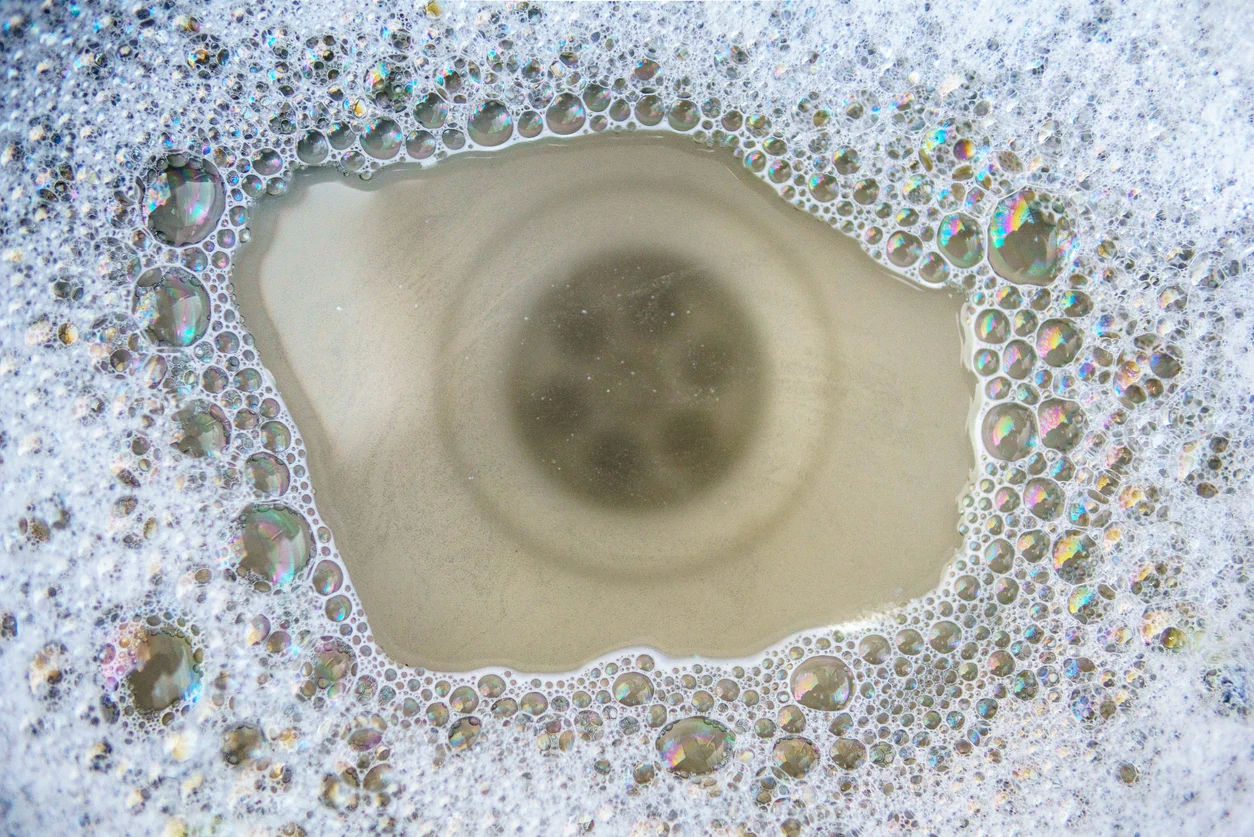
A slow drain is one of those household problems that starts as a minor annoyance and can become a genuine emergency if left alone. Most Edmonton homeowners will deal with a clogged drain at some point, whether it is a shower backing up with standing water, a kitchen sink that will not drain after dishes, or a toilet that takes three flushes to clear.
The good news is that not every clog needs a plumber. Plenty of minor blockages respond well to simple DIY methods that do not require special tools or products. The key is knowing where the line is: when to try it yourself, when to escalate your tools, and when the situation is beyond what a homeowner should attempt. Getting that wrong in the wrong direction either wastes money on a service call you did not need, or lets a problem grow into a much more expensive repair.
This guide walks through what causes most drain clogs, what you can safely try at home, and the clear signs that it is time to stop and call Always Plumbing & Heating.
What Causes Most Drain Clogs
Understanding what is causing a clog helps you pick the right approach. The most common culprits in Edmonton homes are:
Hair and soap scum: The leading cause of shower and bathroom sink clogs. Hair binds with soap residue and accumulates over time, building into a dense mat that restricts flow.
Grease and food debris: Kitchen sink clogs are almost always grease-related. Cooking oil and fat feel liquid when hot but solidify inside pipes as they cool, trapping food particles and building up layer by layer.
Mineral buildup: Edmonton’s water has moderate hardness. Over time, calcium and mineral deposits can narrow the inside diameter of pipes, making slow drainage worse regardless of what else is going on.
Flushable wipes and hygiene products: Despite what the packaging says, most “flushable” wipes do not break down in municipal sewer systems. They are one of the most common causes of serious drain blockages and should always go in the trash.
Tree root intrusion: Older Edmonton neighbourhoods with established trees are at higher risk. Roots seek out moisture and can infiltrate sewer lines through small cracks, causing partial or full blockages in the main line.
What You Can Try at Home
For minor clogs, there is a reasonable DIY progression to work through before calling a plumber. Start with the simplest approach and escalate only if it does not work.
Step 1: Remove visible debris by hand
For shower and bathtub drains, remove the drain cover and pull out any visible hair or debris with gloved hands. This alone clears a surprising number of slow drains. Use only your hands or a pair of needle-nose pliers. Do not insert wire hangers or other rigid objects, as these can scratch the inside of the pipe and create corrosion points over time.
Step 2: Use a plunger
A plunger is the right first tool for sinks, tubs, and toilets. Use a flat-cup sink plunger for sinks and tubs, and a flange plunger for toilets. Seal the plunger firmly over the drain and use a steady up-and-down motion, maintaining the seal throughout. For sink drains, block the overflow opening with a wet cloth first so the pressure goes toward the clog rather than escaping.
A few important notes: do not use a plunger immediately after pouring any chemical drain cleaner down the drain, as splashback can cause serious chemical burns.
Step 3: Try a baking soda and vinegar flush
Pour half a cup of baking soda directly into the drain, followed by half a cup of white vinegar. Let the mixture sit and fizz for 20 to 30 minutes, then flush with hot (not boiling) water. This works reasonably well on minor organic buildup and soap scum, and it is safe for your pipes. It will not clear a serious clog, but it can help with sluggish drains that have not fully blocked yet.
Step 4: Use a drain snake
A manual drain snake, also called an auger, is the most effective DIY tool for hair clogs and soft blockages. For bathroom sinks, remove the P-trap first (the curved pipe section under the sink), have a bucket ready for water, and insert the snake into the exposed pipe end. For shower and tub drains, insert directly into the drain opening.
Feed the cable slowly and turn it as you push forward. You will feel resistance when you hit the clog. Work the cable back and forth to break it up or hook it, then pull the cable back out with whatever it has caught. Dispose of the debris in the trash, not back down the drain.
One important caution: if you are using an electric auger rather than a manual one, be careful. Incorrect use of a powered snake can scratch or crack the inside of pipes, turning a simple clog into a more serious problem. If you have not used one before, a manual snake is the safer choice.
A note on chemical drain cleaners Always Plumbing & Heating does not recommend chemical drain cleaners like Drano or similar products. These work by generating heat and gas through a chemical reaction, which can soften and degrade PVC pipes over time and cause corrosion in metal pipes. They also sit on top of standing water and often cannot reach the actual clog, so they add to the problem rather than solving it. If you want a safe maintenance product for routine drain care, BioSmart is the alternative we recommend. It uses biological digestion rather than harsh chemicals, is EPA-backed and biodegradable, and will not damage your pipes. |
When to Stop DIY and Call a Plumber
There is a clear set of signals that tell you a drain problem has moved beyond what home methods can fix. If any of the following apply, call Always Plumbing & Heating rather than continuing to attempt a DIY fix.
The clog is not clearing after multiple attempts
If you have worked through the steps above and the drain is still blocked or draining slowly, the blockage is likely deeper in the line or more dense than a snake can handle. Continuing to push at it risks damaging the pipe.
Multiple drains are slow or blocked at the same time
If your bathroom sink, tub, and toilet are all slow or backing up simultaneously, the problem is not in the individual fixture drains. It is almost certainly in the main sewer line. This is a situation that requires professional equipment and cannot be resolved with DIY tools.
Water is backing up into other fixtures
If flushing the toilet causes water to bubble up in the tub, or running the washing machine backs up into the basement floor drain, that is a main line issue. Stop using water-based fixtures in the home and call immediately to avoid sewage backup into your living space.
You hear gurgling sounds from drains
Gurgling after water runs down a drain is a sign of a venting or blockage issue. Air is being displaced somewhere it should not be. This often points to a partial blockage in the main line or a blocked plumbing vent stack, neither of which is accessible to homeowners.
There is a persistent sewer smell
A sewer smell coming from drains that are used regularly usually indicates a blockage is trapping gases in the line. A smell from drains that are rarely used may mean the P-trap has dried out, which is easy to fix by running water down the drain for a minute. If running water does not clear the smell within a day or two, have a technician investigate.
Water is pooling around a floor drain
Basement floor drains are connected directly to the main sewer line. If water is backing up here, especially during or after heavy rainfall, it may indicate a main line blockage or a backwater valve issue. This is urgent in Edmonton’s spring and summer storm season.
The snake hits a hard obstruction
If you are using a drain snake and it stops cold against something that will not give regardless of how much you work it, you have likely hit a root intrusion, a collapsed section of pipe, or a solid mineral deposit. Forcing the snake further risks damaging the line. Call a plumber who can use a camera to assess what is actually there.
Your drain has stopped working during a cold snap
In Edmonton winters, a drain that suddenly stops working entirely during or after extreme cold may not be clogged at all. It may be frozen. Drain pipes that run through unheated spaces, exterior walls, or uninsulated areas of the basement are most at risk. Do not pour boiling water down the drain or use a heat gun near pipes without professional guidance, as rapid temperature change can crack older pipe materials. If you suspect a frozen drain line, call Always Plumbing & Heating for a safe assessment before the freeze causes a burst or split.
What a Professional Drain Cleaning Actually Involves
When Always Plumbing & Heating technicians arrive for a drain cleaning, they do more than just clear the immediate blockage. The goal is to find the root cause so the problem does not come back in six weeks.
Our technicians use drain camera inspection to look inside the line without excavation. This lets us see exactly where the blockage is, what is causing it, and what condition the pipe is in beyond the clog. Once the obstruction is located, we clear it using appropriate equipment, whether that is a professional-grade auger, hydro jetting for stubborn grease buildup, or root removal tools for root intrusion.
For the flush, we use BioSmart rather than chemical cleaners. BioSmart uses biological digestion to break down organic waste, grease, and fat in the pipe without corroding the line or leaving chemical residue behind. It is EPA-backed, biodegradable, and safe for your pipes and the municipal sewer system.
Always Plumbing & Heating recommends professional drain cleaning every one to two years as a maintenance measure, even if you are not experiencing active clogs. This keeps buildup from accumulating to the point of causing a problem and gives us the opportunity to catch early signs of pipe deterioration or root intrusion before they become major repairs.
How to Prevent Clogs in the First Place
The most cost-effective drain care is prevention. A few simple habits go a long way in reducing how often you deal with clogs.
Install hair catchers on all shower and tub drains and clean them after every use. This alone eliminates the majority of bathroom drain clogs.
Never pour cooking grease, oil, or fat down the kitchen drain. Pour it into a jar or container and dispose of it in the trash once it has solidified.
Scrape plates and cookware into the bin before rinsing in the sink. Even small amounts of food debris accumulate over time.
Run hot water down the kitchen drain for 30 to 60 seconds after washing dishes. This helps flush residual grease through the line before it has a chance to cool and solidify.
Flush bathroom drains monthly with a baking soda and vinegar solution followed by hot water. This keeps minor buildup from becoming a blockage.
Only flush toilet paper. Wipes, cotton pads, dental floss, paper towels, and hygiene products all belong in the bin, regardless of what the packaging says.
Use BioSmart monthly as a maintenance drain cleaner. It digests organic material continuously without harming your pipes.
Always Plumbing & Heating’s Diamond Maintenance Program includes priority service and exclusive discounts on drain cleaning and plumbing repairs. Members also receive 2-year service and 10-year equipment extended warranties. If you are scheduling professional drain cleaning every one to two years, membership is a straightforward way to reduce the cost and stay ahead of problems. Ask us about enrollment when you book your next service visit. |
Book Your Drain Cleaning Today
If you have a clog that is not responding to DIY methods, multiple slow drains, or a drain that has been giving you trouble on and off, Always Plumbing & Heating is ready to help. Our technicians serve Edmonton and the surrounding areas including Sherwood Park, St. Albert, Spruce Grove, Stony Plain, Leduc, and Beaumont.
Call us at (587) 742-1359 or fill out our online form to book your service or request a free estimate. We offer same-day availability, 24/7 emergency service, and StraightForward Pricing so you know the cost before any work begins.